PRACTICAL · TRAVEL TIPS
Chinese Etiquette: Essential Do’s and Don’ts for Tourists in China
Target keywords: Chinese etiquette, China travel tips, Chinese culture customs, do’s and don’ts China, tipping in China
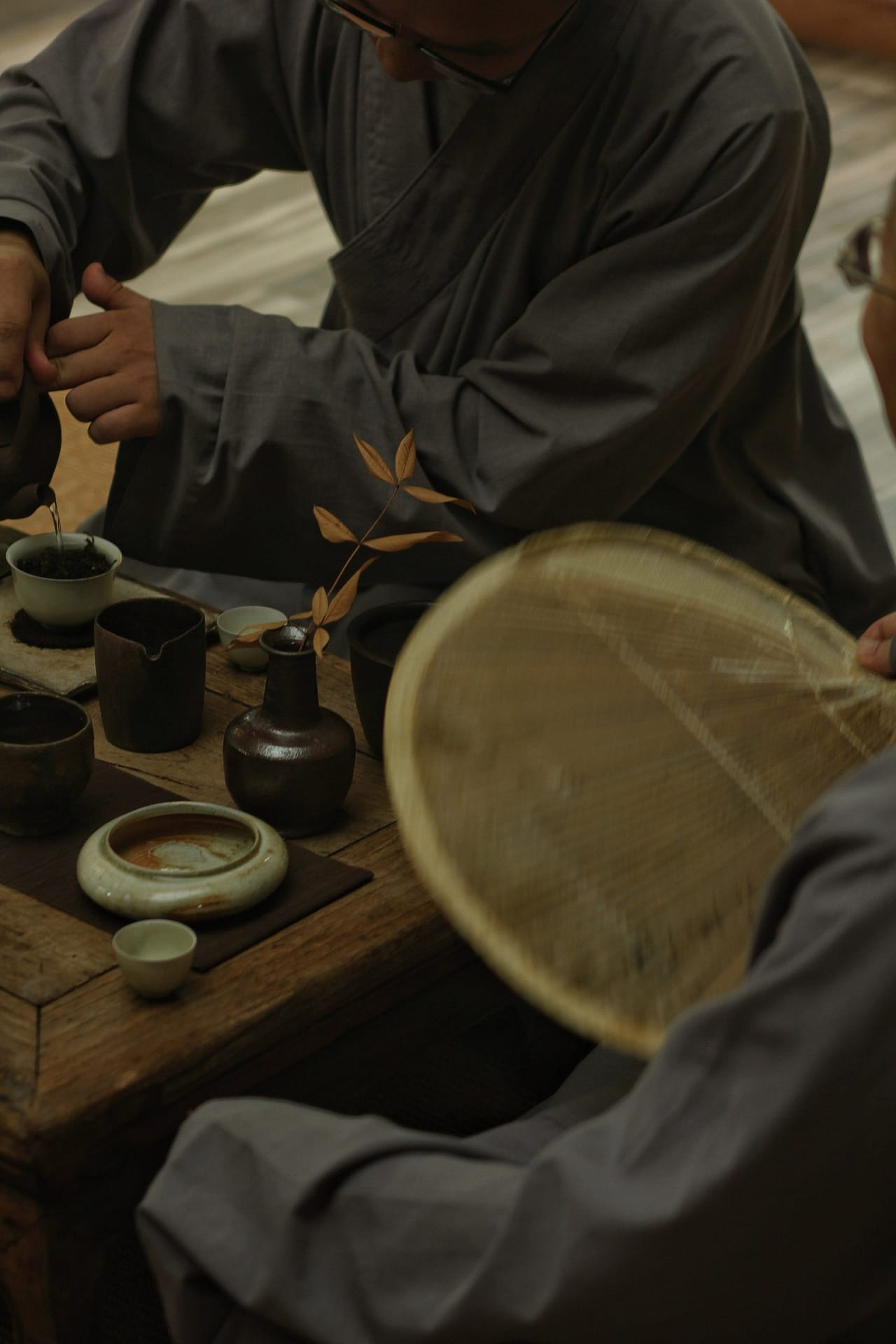
You’ve secured your visa-free entry, planned your high-speed train legs, and downloaded your payment apps. But there is one crucial layer that defines a smooth journey: understanding local Chinese cultural etiquette and social norms.
China boasts thousands of years of deep-rooted traditions, unwritten rules, and social habits. You don’t need to memorize a textbook — you just need to know the core principles that matter in daily interactions.
1. Greetings: Keep It Reserved
- A subtle nod is the standard polite greeting across shops, elevators, and street encounters.
- Saying “Nǐ hǎo” (你好) is universally appreciated, even if your pronunciation isn’t perfect.
- Handshakes are common in professional settings, though lighter than Western handshakes. Wait for your counterpart to offer their hand first.
- Bowing is not part of modern Chinese culture (unlike Japan or Korea). A respectful nod is ideal.
2. Names & Forms of Address
Chinese names place the family surname first, followed by the given name (e.g., in Zhang Wei, “Zhang” is the family surname).
- Address people formally using their Surname + Title (e.g., “Mr. Zhang”).
- Avoid addressing locals by given name unless invited to do so.
3. Chinese Dining Etiquette: Essential Table Rules
Dining in China is shared, lively, and guided by key cultural customs.
Chopstick Etiquette Do’s & Don’ts:
- NEVER stick chopsticks vertically into a bowl of rice. This mimics incense burned at funerals and is considered bad luck.
- DON’T point chopsticks at people while speaking — it is considered aggressive.
- DON’T tap your bowl with chopsticks, as this is traditionally linked to begging.
- DO rest your chopsticks horizontally on your chopstick rest or across the dish rim when finished.
“Rule #1 at the dining table: never place your chopsticks standing upright in your rice bowl.”
Table Customs & Toasting:
- Shared Dishes: Use designated serving spoons or communal chopsticks rather than personal ones.
- Toasting (“Gānbēi” / 干杯): Clink glasses with the lower-status or younger person holding their glass rim slightly below the senior host’s glass.
4. Gift-Giving Rules
If visiting a local household, presenting a small gift is customary:
- Good Gifts: Imported fruit, fine tea, quality spirits, or regional treats from home.
- Gifts to Avoid: Clocks or umbrellas (symbolically linked to funerals/breakups) or items in sets of four (the number 4 sounds like the word for “death”).
5. Temple & Religious Site Rules
From sacred Taoist peaks to the Id Kah Mosque in Kashgar, show respect at active places of worship:
- Dress Modestly: Keep shoulders and knees covered.
- Footwear: Remove shoes where instructed at mosque entrances and specific temple halls.
- Photography: Always verify permission before photographing altars, monks, or worshippers.
6. Is Tipping Customary in China?
No, tipping is NOT expected or required in mainland China. Restaurants, taxis, hotels, and local venues do not expect tips. What you see on the bill is the final price, with zero hidden service fees.
7. Social Norms: Personal Space & Saving “Face”
- Personal Space: Metro cars, train stations, and public queues are crowded. Expect closer physical proximity than in Western countries.
- Concept of “Face” (Miànzi): Avoid publicly reprimanding or embarrassing individuals. Handle issues calmly and privately to maintain harmony.
What’s Included in RÖAM Route Packs?
Every RÖAM China Route Pack is packed with field-tested guidance:
- Handpicked Hotels: Verified, foreign-guest-friendly properties with direct booking links.
- High-Speed Rail Directions: Station-by-station transit instructions.
- Bilingual Taxi Cards: Mobile cards for driver navigation.
- Complete Digital Kit Included FREE: Complete mobile app, VPN, and eSIM setup guides.